Our Latest Article
One Person Company (OPC): Benefits & Rules Explained
Introduction
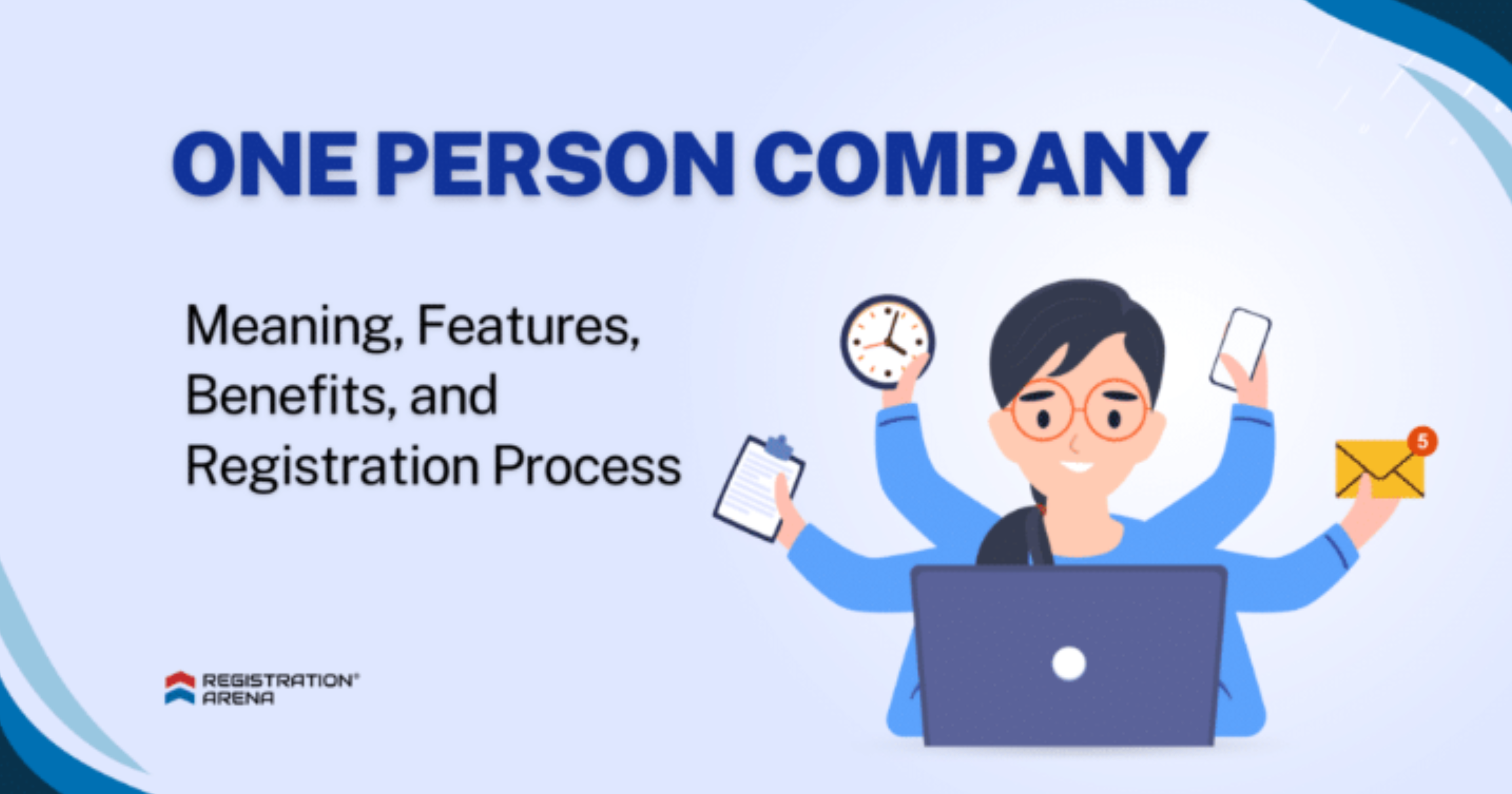
A One Person Company (OPC) is a type of company in India that can be started and managed by only one person. It was introduced under the Companies Act, 2013 to support solo entrepreneurs and small business owners.
What is a One Person Company?
A One Person Company allows a single individual to own and control the business while enjoying the benefits of a private limited company, such as limited liability and legal recognition.
Key Benefits of One Person Company
-
Limited Liability
The owner’s personal assets are protected. Losses are limited to the investment made in the company.
-
Separate Legal Entity
OPC has its own legal identity, different from the owner. It can own property and enter into contracts
-
Full Control
Only one owner means complete decision-making power without conflicts. -
Easy to Manage
Less paperwork and fewer compliance requirements compared to private limited companies.
-
Better Business Credibility
OPC structure improves trust among customers, suppliers, and banks.
-
Perpetual Succession
The company continues even if the owner is not available, as a nominee is already appointed.
Rules & Requirements for OPC in India
-
Eligibility
- Only Indian citizens and Indian residents can form an OPC
- One person can form only one OPC at a time
-
Nominee Requirement
- A nominee must be appointed during registration
- The nominee takes over in case of the owner's death or incapacity
-
Minimum Capital
- No minimum paid-up capital requirement
-
Business Activities
- OPC cannot engage in non-banking financial activities
- OPC cannot be incorporated as a charitable company
-
Conversion Rules
- OPC must convert into a private or public company if:
- Paid-up capital exceeds ₹50 lakh, or
- Average annual turnover exceeds ₹2 crore
-
Compliance Requirements
- Annual filing of financial statements and returns is mandatory
- Board meetings are not required if there is only one director
Who Should Choose an OPC?
- Solo entrepreneurs
- Freelancers and consultants
- Small traders and service providers
- Startup founders working alone
Conclusion
A One Person Company is an excellent option for individuals who want to start a business alone with limited liability and corporate benefits. It offers flexibility, legal protection, and credibility, making it ideal for small businesses and startups.