Our Blog
Latest Articles
Role of IT Consultancy in Technology Planning
Technology planning is a strategic approach to selecting, managing, and implementing IT solutions that support business goals. An IT consultancy helps organizations design a technology plan that improves efficiency, reduces costs, and ensures long-term growth.
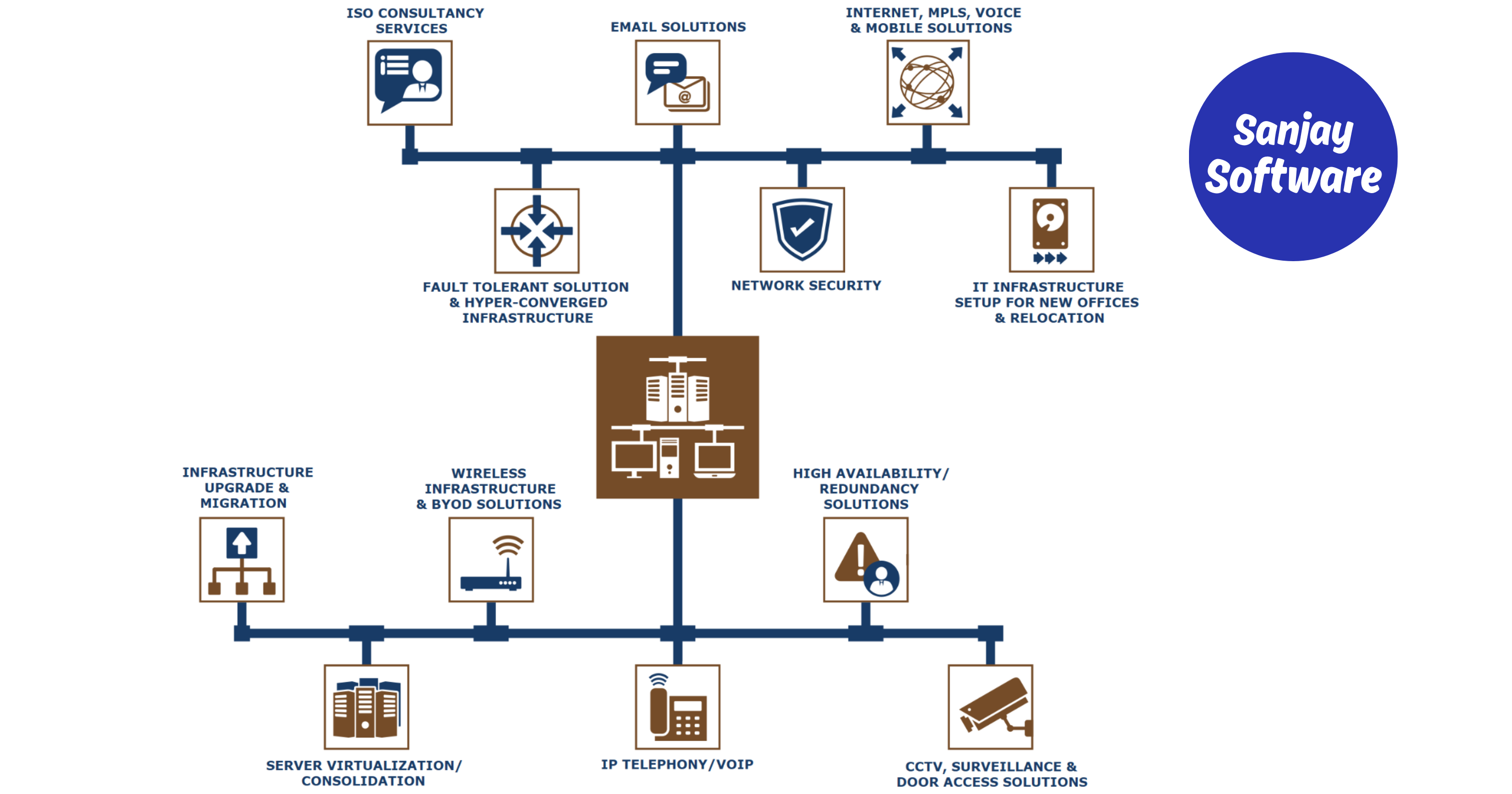
IT Infrastructure Setup
A reliable IT infrastructure is essential for smooth business operations. Proper IT infrastructure setup helps organizations improve productivity, security, and system performance. With professional IT consultancy, businesses get a strong and scalable technology foundation.

IT Consultancy for Remote & Hybrid Work Setup
Remote and hybrid work models need strong and secure technology support. An IT consultancy helps businesses set up reliable systems that allow teams to work smoothly from anywhere.

ERP & CRM Implementation Services
ERP (Enterprise Resource Planning) and CRM (Customer Relationship Management) systems help businesses manage operations, data, and customer relationships efficiently.
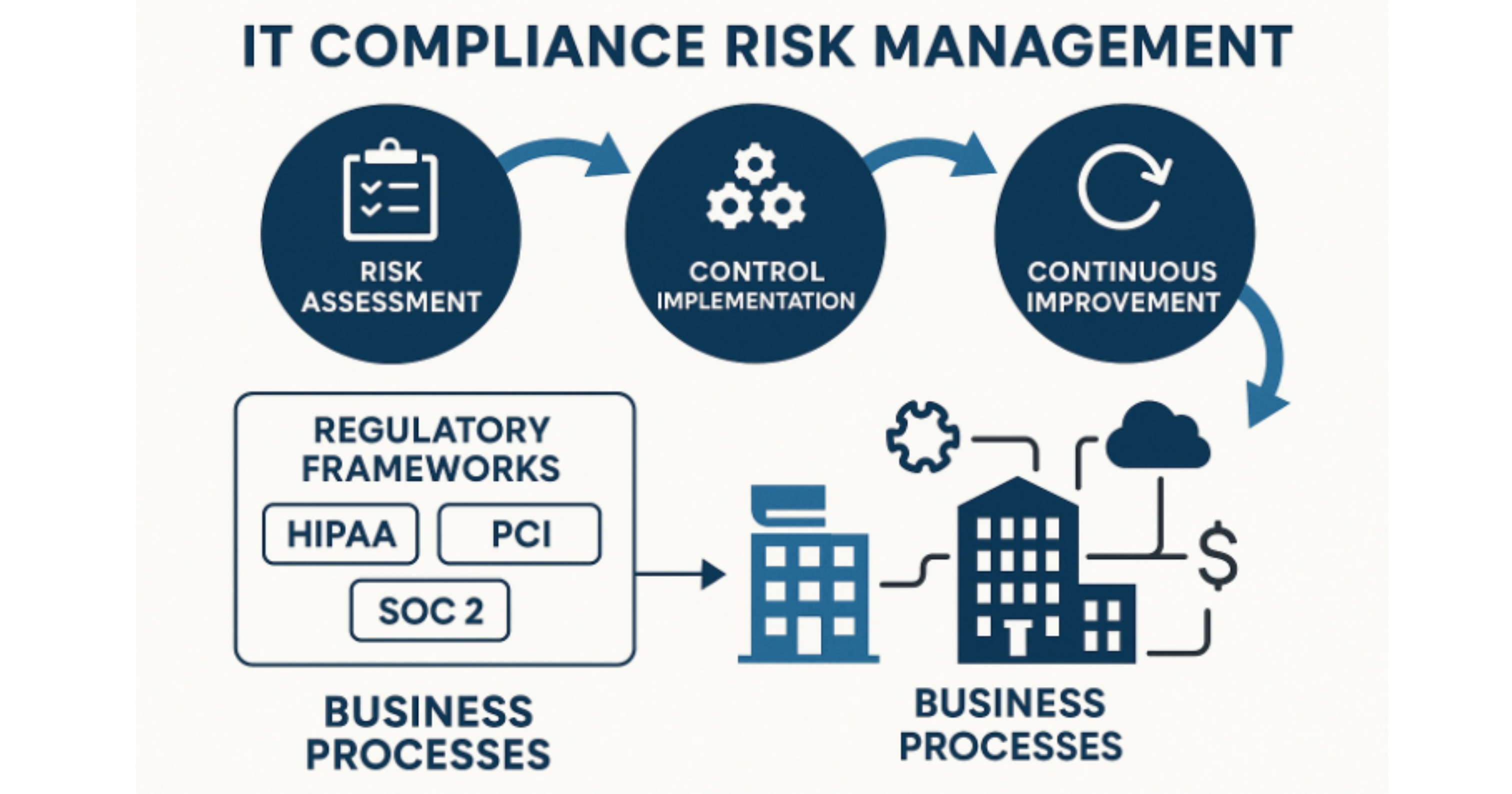
IT Risk Assessment & Compliance Support
In today’s digital environment, businesses face many IT risks such as data breaches, system failures, and regulatory issues. Our IT Risk Assessment & Compliance Support services help organizations identify risks, stay compliant, and protect their IT infrastructure.

IT Consultancy for E-commerce Businesses
E-commerce businesses need reliable, secure, and scalable technology to manage online sales and customer operations. Our IT consultancy provides expert guidance and solutions to help e-commerce businesses run smoothly and grow faster.

Legacy System Upgrade & Modernization by IT Consultancy
In today’s fast-moving digital world, many businesses still depend on outdated or legacy systems. These systems may continue to function, but they often slow down operations, increase costs, and create security risks.

IT Consultancy for Customer Experience Improvement
In today’s competitive digital environment, customer experience plays a key role in business success. An IT consultancy helps organizations improve customer interactions by using the right technology, data, and digital strategies.
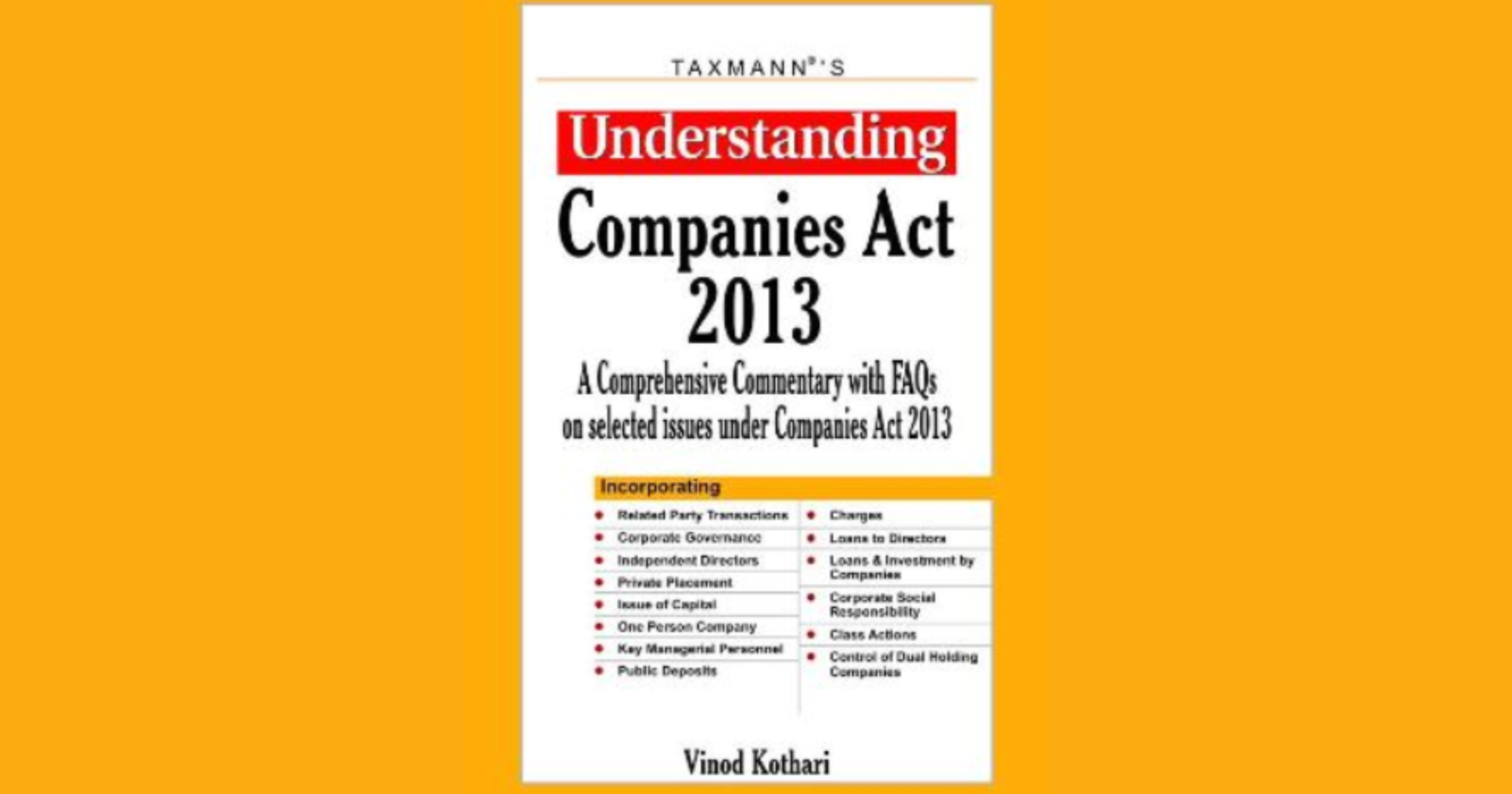
Companies Act, 2013 Explained
The Companies Act, 2013 is the primary law that regulates how companies are formed, managed, and dissolved in India. It provides a legal framework to ensure transparency, accountability, and fair business practices.

Everything You Need to Know About the Companies Act, 2013
The Companies Act, 2013 is the main law that governs companies in India. It explains how companies are formed, managed, and closed. This Act replaced the old Companies Act, 1956 and came into force to bring more transparency, accountability, and better corporate governance.
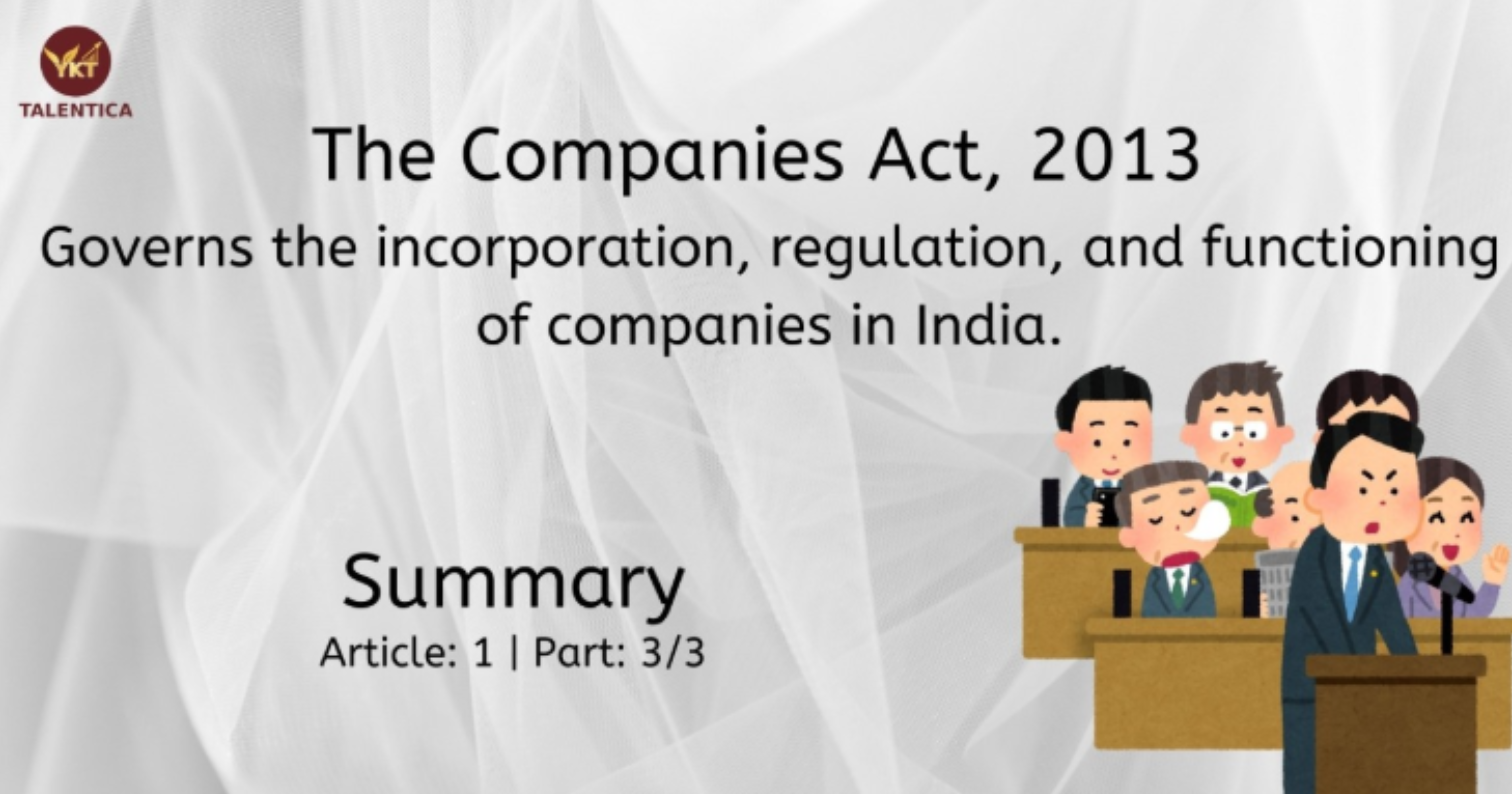
Companies Act, 2013 - Explained in Simple Words
The Companies Act, 2013 is the main law that governs companies in India. It explains how companies are formed, managed, and closed. This Act replaced the old Companies Act, 1956 and came into force to bring more transparency, accountability, and better corporate governance.

Why the Companies Act, 2013 Matters for Every Business
The Companies Act, 2013 is the main law that governs companies in India. It explains how companies are formed, managed, and closed. This Act replaced the old Companies Act, 1956 and came into force to bring more transparency, accountability, and better corporate governance.
A Practical Overview of Companies Act, 2013
The Companies Act, 2013 is the main law that governs companies in India. It defines how companies are formed, managed, and regulated. This Act applies to private companies, public companies, and one person companies (OPC).

Companies Act, 2013: The Law That Runs Corporate India
The Companies Act, 2013 is the main law that governs how companies operate in India. It lays down rules for company formation, management, responsibilities, and closure.

Demystifying the Companies Act, 2013
The Companies Act, 2013 is an important law that governs how companies operate in India. It was introduced to make corporate rules more transparent, accountable, and aligned with modern business practices.

Companies Act 2013: Key Concepts Every Indian Must Know
The Companies Act, 2013 is the main law that controls how companies are formed, managed, and closed in India. It protects investors, employees, customers, and the public. Whether you are a business owner, employee, or investor, understanding its basic concepts is important.
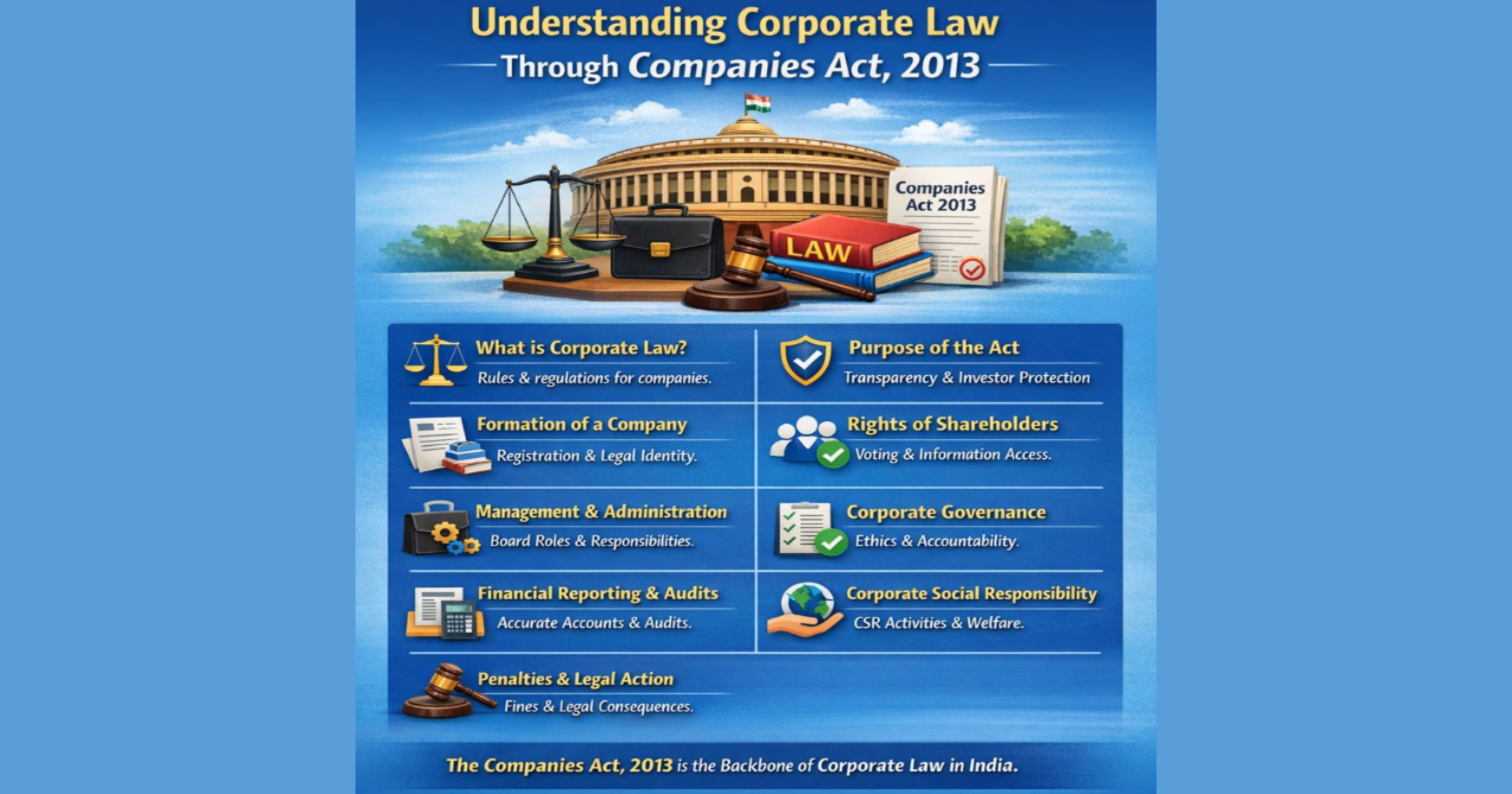
Understanding Corporate Law Through Companies Act, 2013
Corporate law in India mainly comes from the Companies Act, 2013. This law explains how companies are formed, managed, and regulated. It also defines the rights and duties of everyone connected to a company, including directors, shareholders, and employees.

Companies Act 2013 Made Easy for Non-Lawyers
The Companies Act, 2013 is the main law that controls how companies work in India. You do not need to be a lawyer to understand it. This simple guide explains the Act in easy language for everyone.
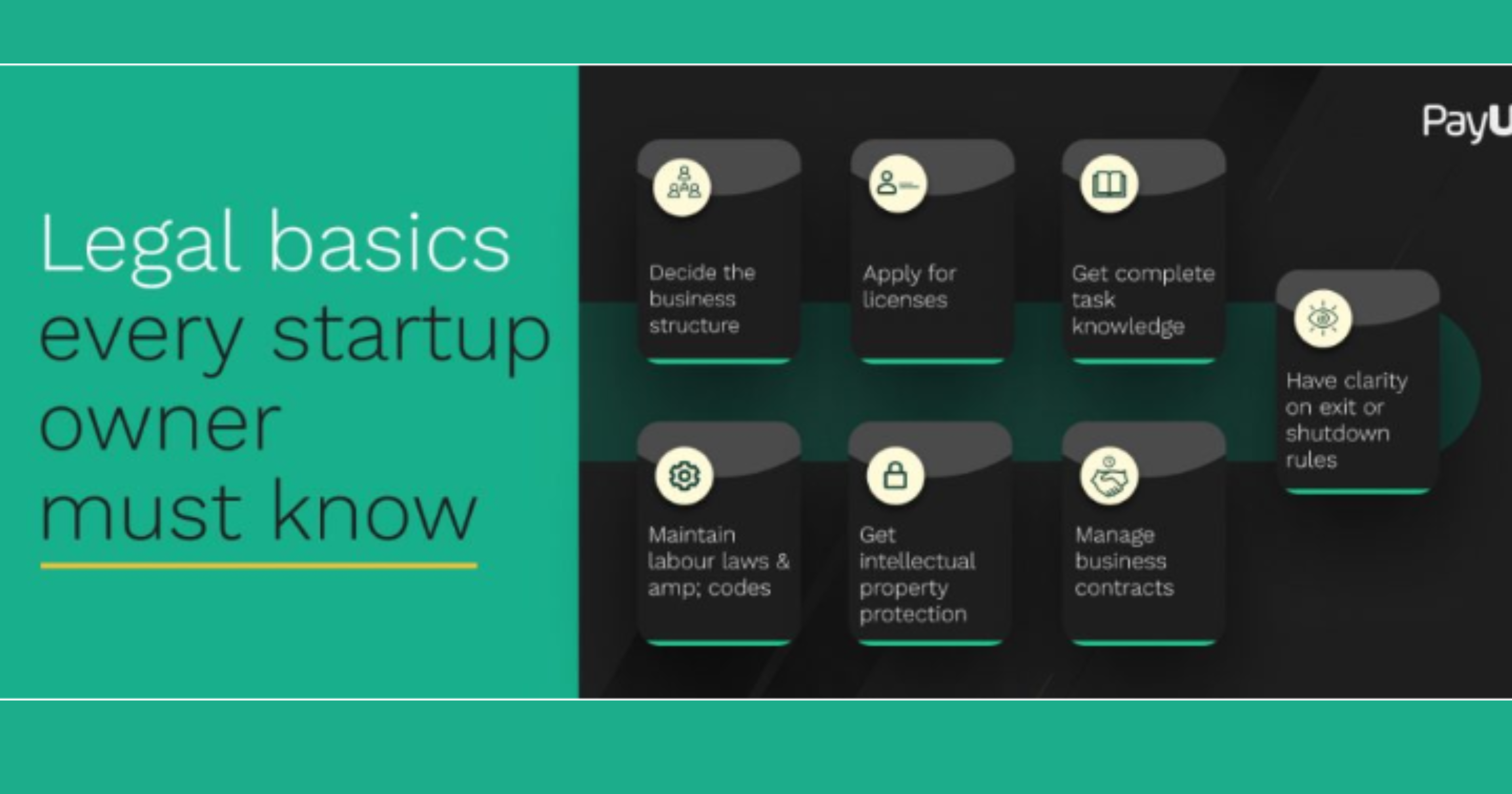
Companies Act 2013: What Every Startup Founder Must Know
Starting a business in India is exciting, but it also comes with legal responsibilities. The Companies Act, 2013 is the main law that governs how companies are formed, managed, and regulated in India. Every startup founder should understand its basic rules to avoid legal trouble and build a strong business foundation.

Legal Checklist for Startups Under Companies Act 2013
Starting a startup in India requires more than just a good idea. Legal compliance under the Companies Act, 2013 is essential to run your business smoothly and avoid penalties. This checklist will help startup founders understand the key legal requirements they must follow.

Private Limited Company Rules You Can't Ignore in 2025
Running a Private Limited Company in India comes with important legal responsibilities. In 2025, compliance under the Companies Act, 2013 remains strict, and ignoring basic rules can lead to penalties, director disqualification, or even company strike-off. This guide explains the key rules every business owner must follow.

How Companies Act 2013 Affects New Businesses
The Companies Act 2013 is the main law that governs how companies operate in India. For new businesses and startups, this Act plays a very important role because it sets the rules from company registration to daily operations and compliance.
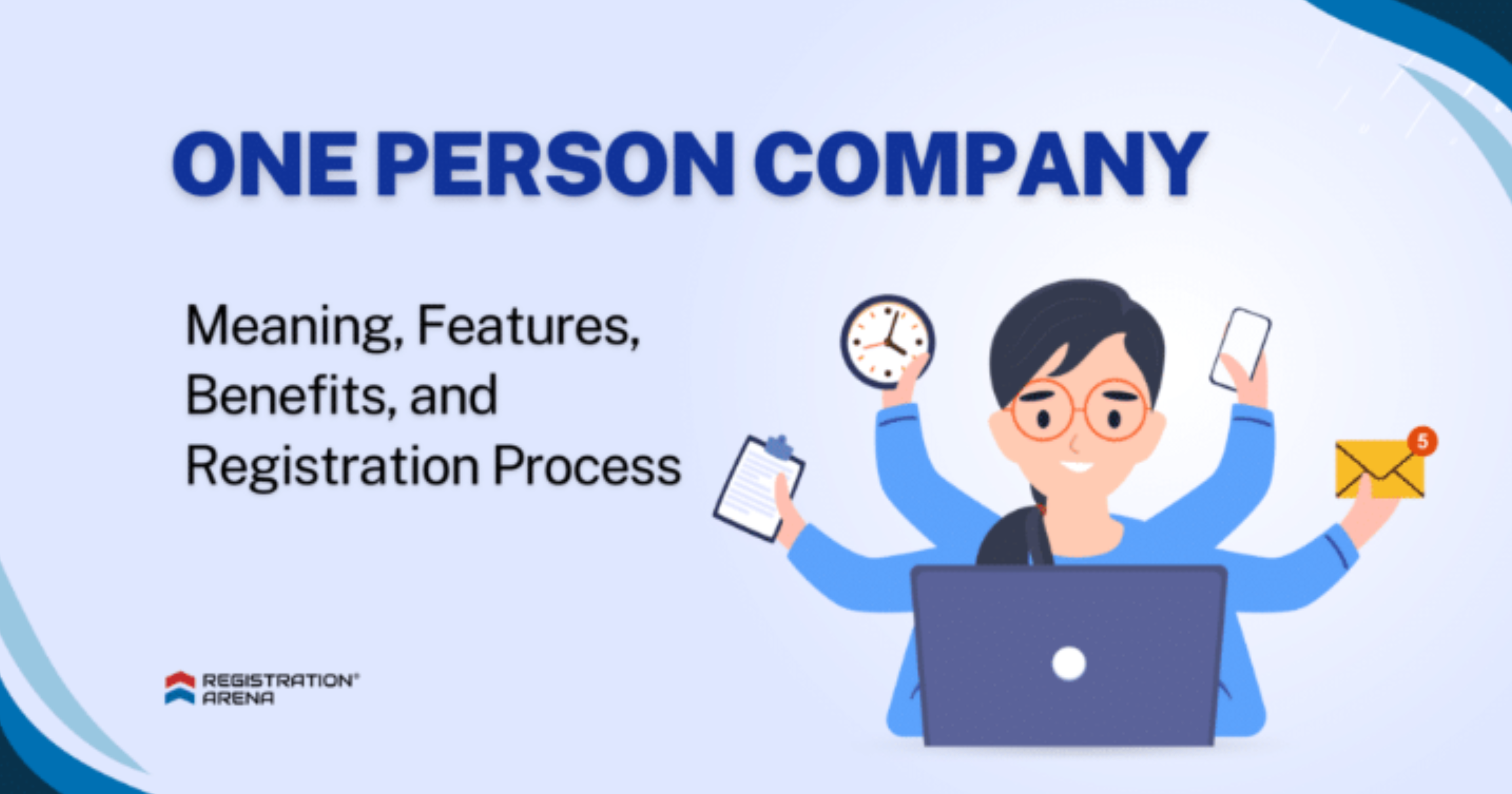
One Person Company (OPC): Benefits & Rules Explained
A One Person Company (OPC) is a type of company in India that can be started and managed by only one person. It was introduced under the Companies Act, 2013 to support solo entrepreneurs and small business owners.

Choosing the Right Company Type Under Companies Act 2013
Choosing the right company type is a crucial step for anyone planning to start a business in India. The Companies Act 2013 provides different types of business structures, each designed to suit specific business needs, ownership patterns, and growth plans.
Common Compliance Mistakes Startups Make
Starting a business is exciting, but many startups ignore legal and compliance requirements in the early stages. This can lead to penalties, legal trouble, and even business closure. Below are some common compliance mistakes startups often make.
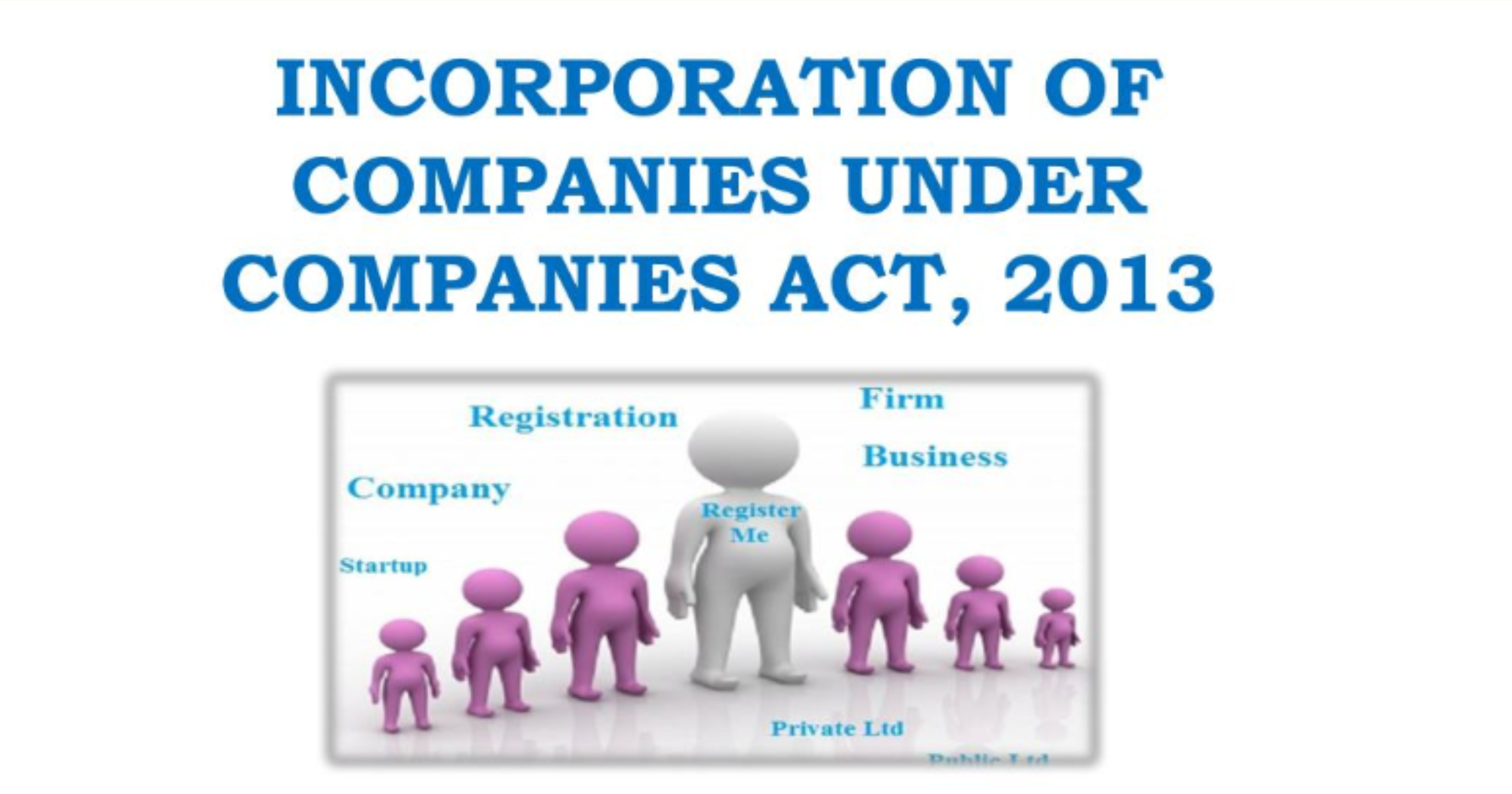
Incorporation Process Under Companies Act 2013 - Step-by-Step
Starting a business is exciting, but many startups ignore legal and compliance requirements in the early stages. This can lead to penalties, legal trouble, and even business closure. Below are some common compliance mistakes startups often make.

How to Stay MCA-Compliant as a Startup
Staying compliant with the Ministry of Corporate Affairs (MCA) is essential for startups in India. Proper compliance helps avoid penalties, legal issues, and loss of credibility. Below are simple and effective ways for startups to remain MCA-compliant.

Companies Act 2013: Survival Guide for Founders
Starting and running a company in India comes with legal responsibilities. The Companies Act 2013 is the main law that governs how companies are formed, managed, and regulated.
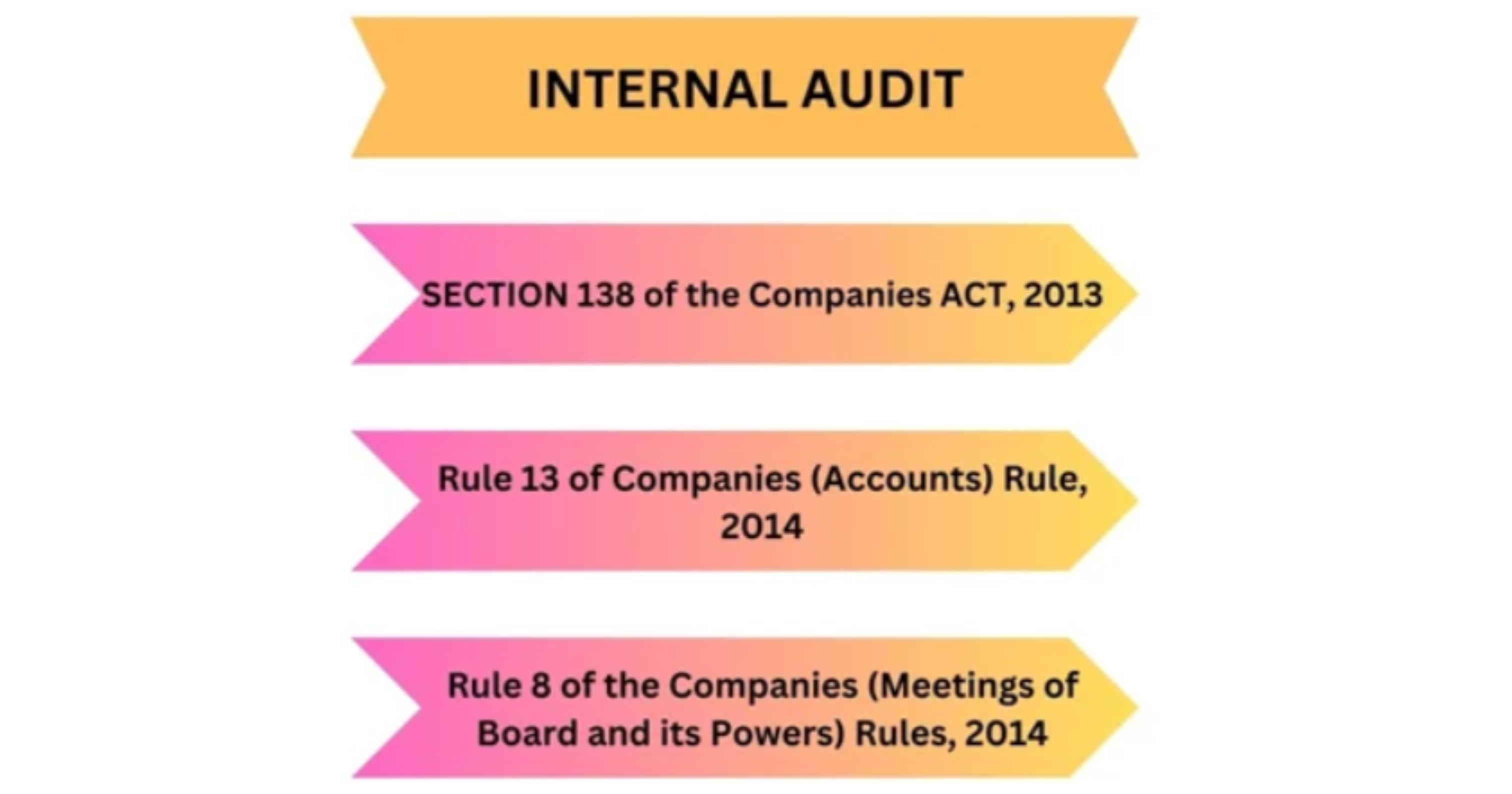
Important Sections of Companies Act 2013 for Exams
The Companies Act 2013 contains many sections, but some are frequently asked in CA, CS, and CMA examinations. Knowing these key sections helps in quick revision and better exam performance.

How to Study Companies Act 2013 Effectively
Studying the Companies Act 2013 can feel difficult because it is a legal subject. But with the right method, it becomes easy to understand and remember. Here is a simple and practical way to study it effectively.

Companies Act 2013: Short Notes & Case Studies
Below are easy short notes with simple case studies to help understand the Companies Act 2013 in a practical way.The Companies Act 2013 regulates the formation, management, and closure of companies in India.
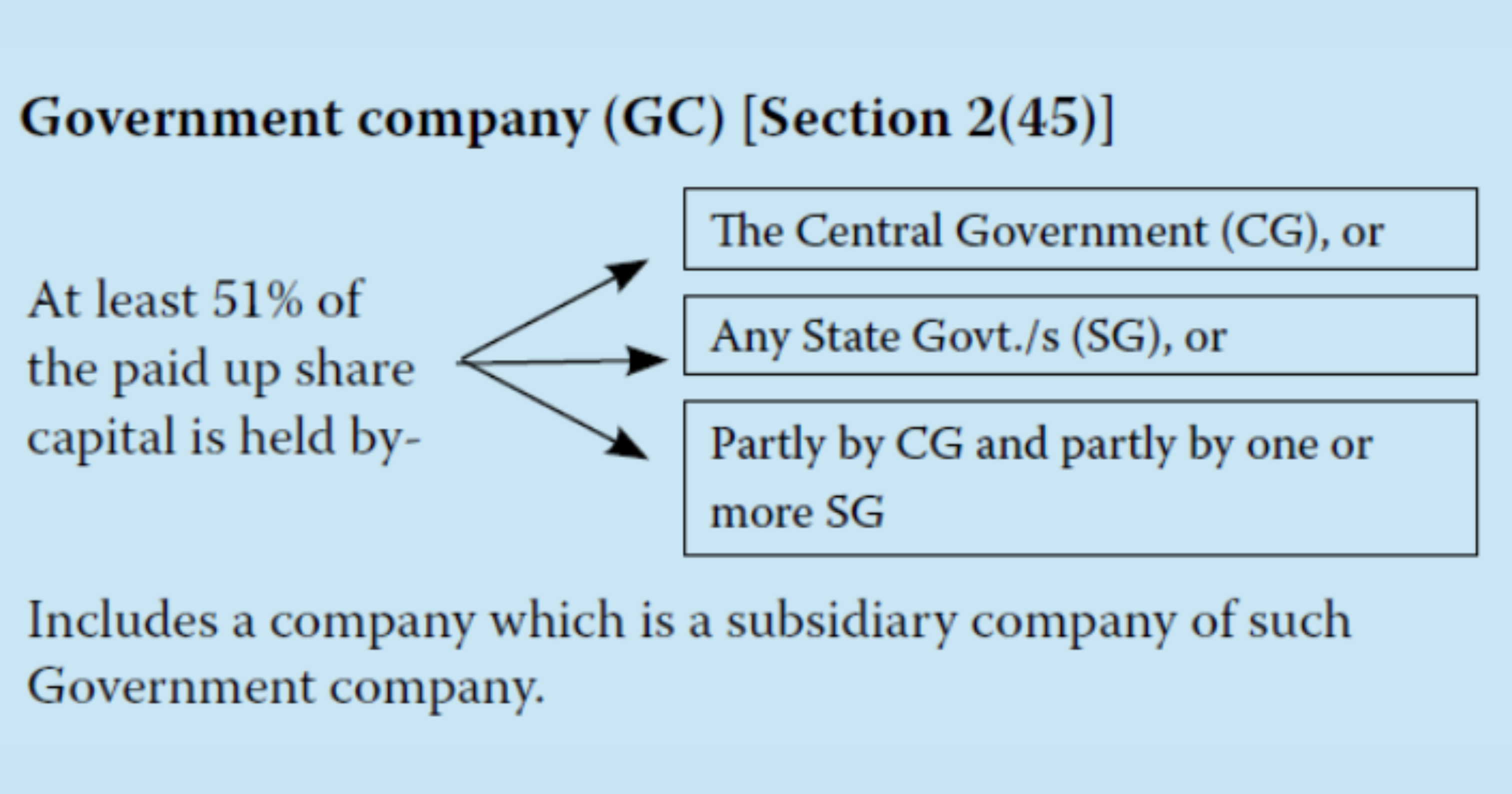
Top 20 Questions Asked on Companies Act, 2013
What is the Companies Act, 2013? The Companies Act, 2013 is the main law that governs the formation, functioning, and regulation of companies in India.
Companies Act 2013 Explained with Real-Life Examples
The Companies Act, 2013 is the main law that governs how companies are formed, managed, and closed in India. It ensures transparency, accountability, and fair practices in the corporate world. Below is a simple explanation with real-life examples.

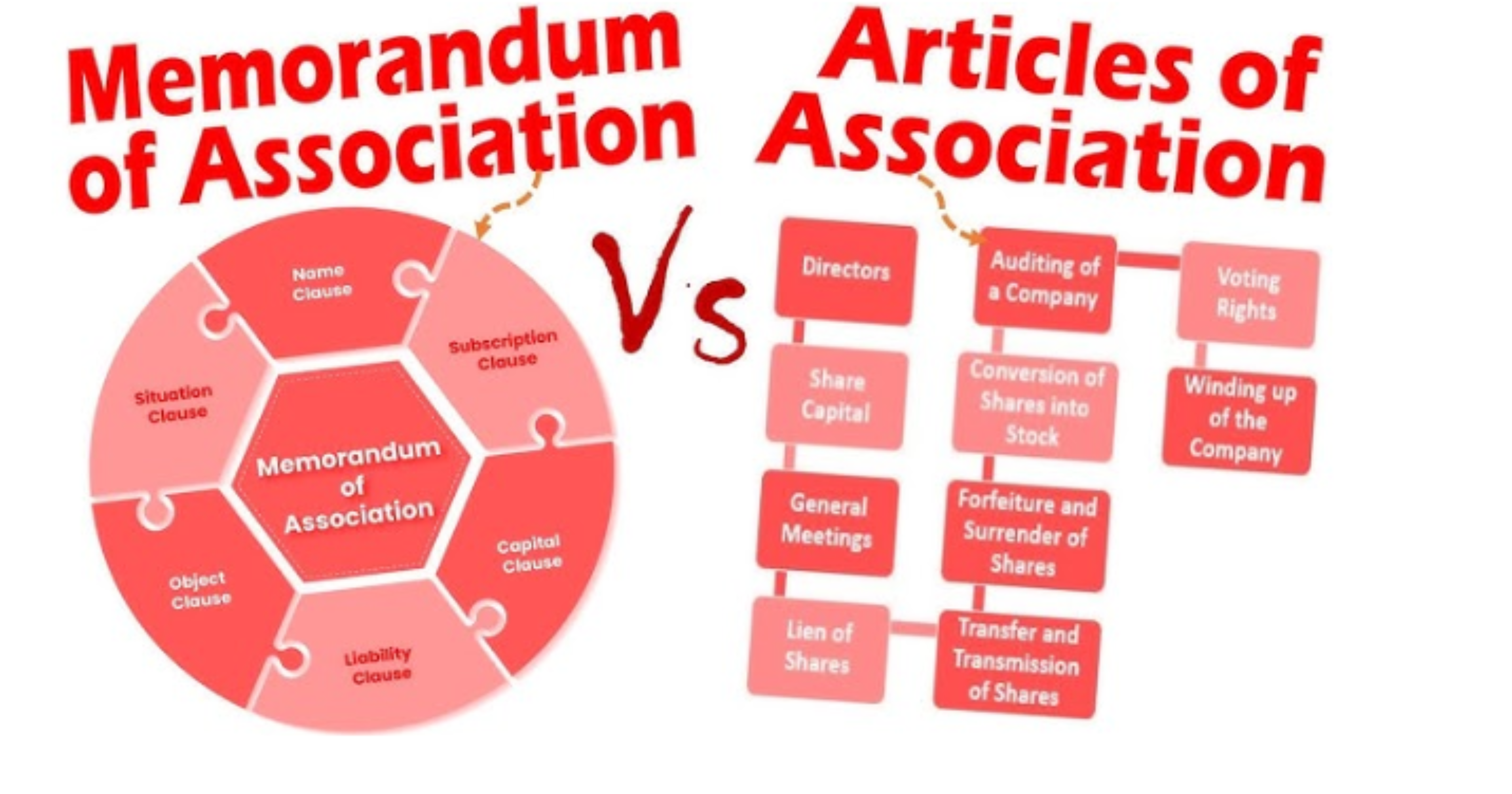
Memorandum vs Articles of Association Explained
The Memorandum of Association (MOA) and Articles of Association (AOA) are two important legal documents of a company. They define the company's purpose, powers, and internal rules.
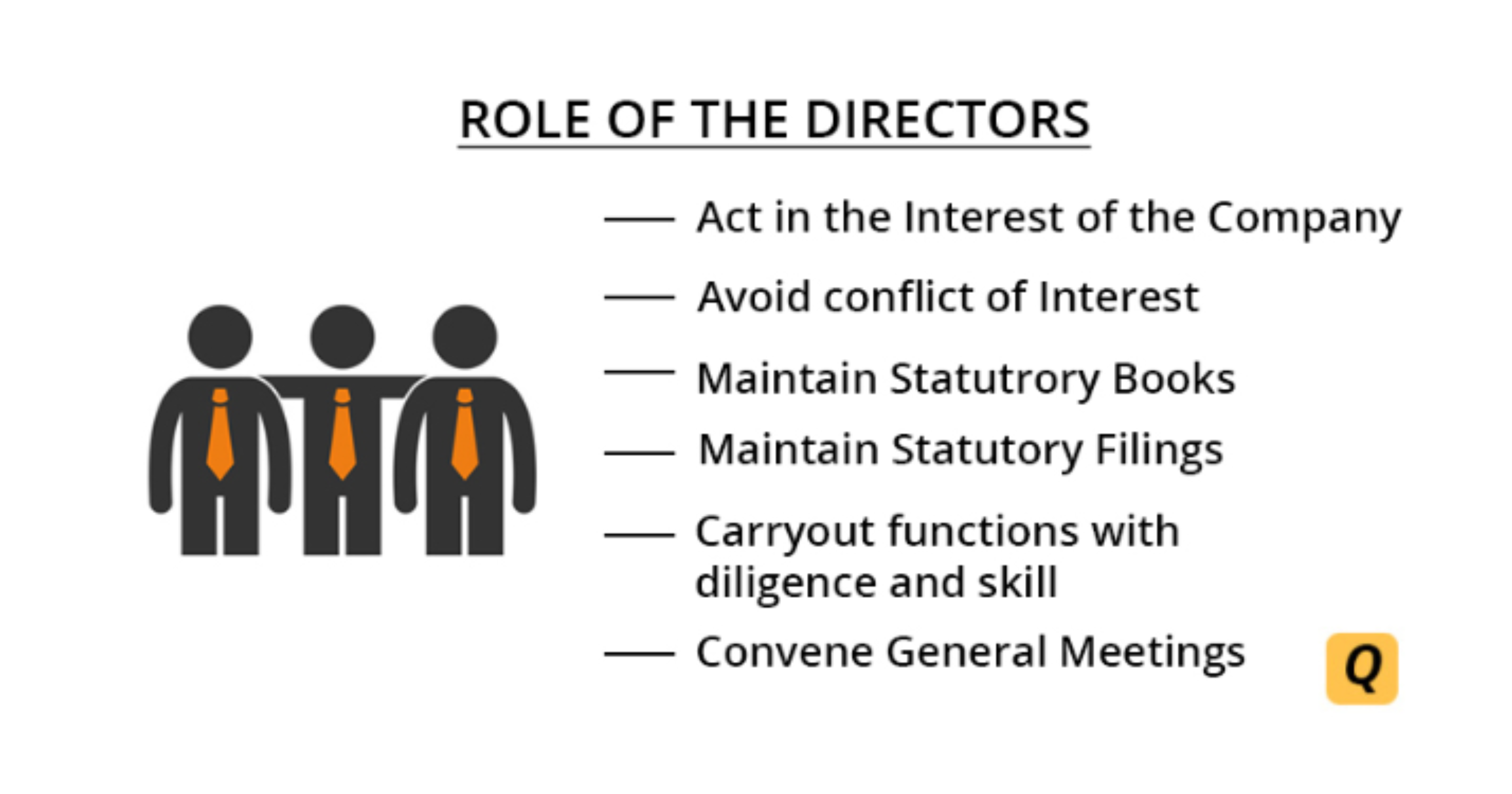
Directors Duties Under Companies Act, 2013
The Companies Act, 2013 clearly defines the roles and responsibilities of directors. Directors are expected to act honestly, responsibly, and in the best interest of the company and its stakeholders. The main duties of directors are explained below:

Companies Act, 2013 in 30 Minutes
The Companies Act, 2013 is the main law that governs companies in India. It explains how companies are formed, managed, and regulated. This quick guide helps you understand the Act in just 30 minutes, in simple English.